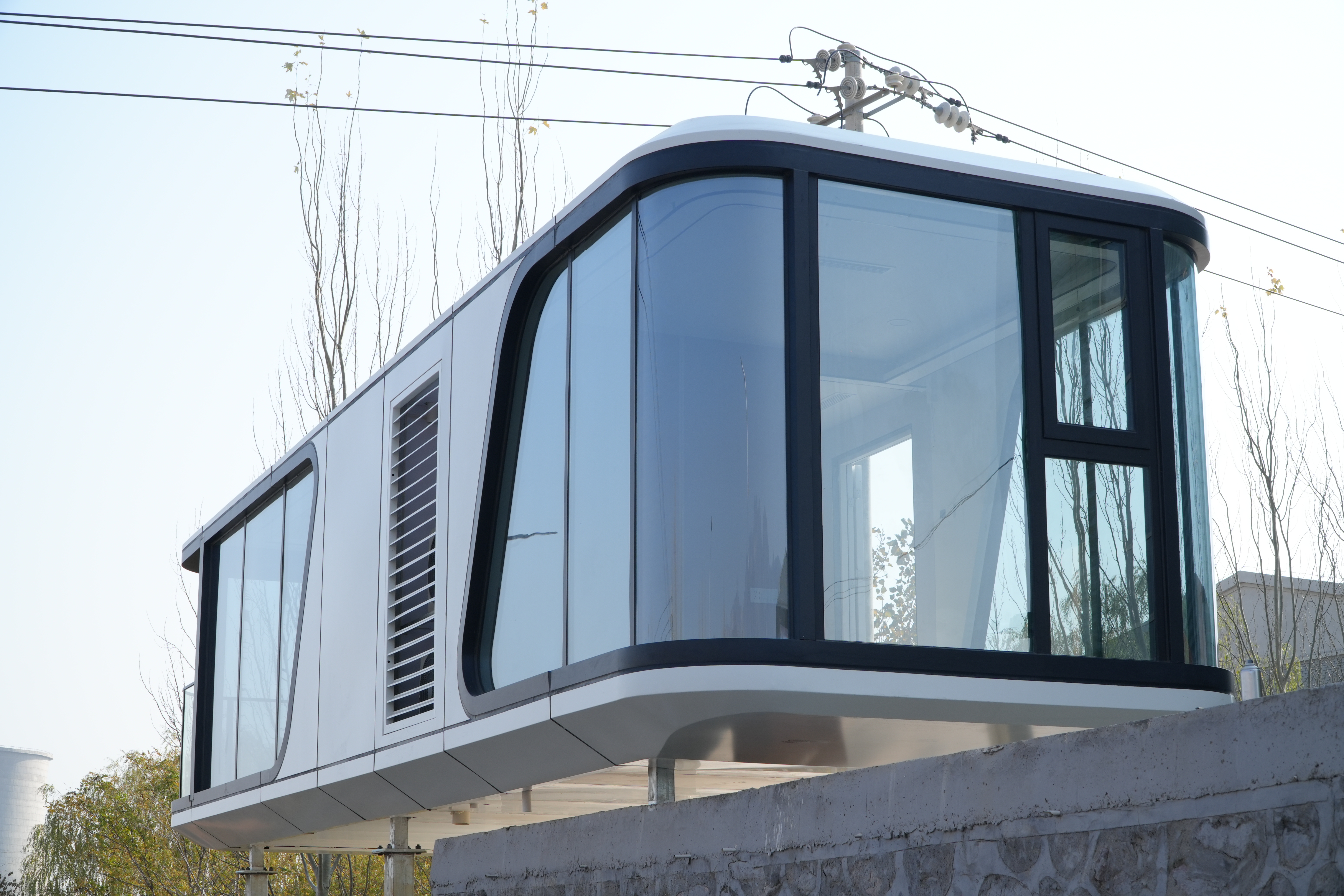
In an world where area becomes increasingly scarce along with housing prices keep to increase, innovative designs have been surfacing to redefine the living spaces. A single of the most fascinating ideas to gain attention recently is compact home. These compact and efficient residential spaces offer a fresh view regarding the way individuals can reside in comfort in smaller spaces while upholding a feeling for aesthetic and utility.
Capsule homes have been designed for optimize every inch of space, frequently including multi-functional furnishings along with smart storage options. With a focus on sustainable practices and minimalist design, they attract a growing number of people and households looking for streamline one's daily routines. While people explore a forthcoming in living, these capsule home designs emerge like the promising solution that addresses the demands of affordability, effective use, as well as innovation in modern living solutions.
Design Trends in Capsule Houses
The rise of capsule houses has been influenced by the need for functional living spaces that enhance functionality while minimizing environmental impact. Innovative designs focus on modular construction, allowing for simple assembly and disassembly. This method not only facilitates faster building times but also enables homeowners to customize their living environments according to their changing needs. Whether you have a small urban dwelling or a rural retreat, capsule houses can adjust to various lifestyles and preferences.
Eco-friendliness is a fundamental aspect of modern capsule house designs. capsulehouseshop of these buildings incorporate sustainable materials and renewable energy sources, such as solar panels or green roofs. The use of compact appliances and energy-efficient insulation contributes to lower energy consumption, making capsule houses not just a trend but a practical solution for sustainability-minded living. Innovations in smart technology also enhance efficiency, permitting residents to control lighting, heating, and security systems from their devices.
Interior design within capsule houses embraces the concept of multi-functionality. Spaces are often designed to serve several purposes, with foldable furniture and convertible layouts that optimize floor space. A living room can transform into a bedroom, and a dining area might double as a workspace. This versatility caters to the needs of individuals and small families, promoting a minimalist yet comfortable lifestyle. The aesthetic appeal of capsule houses, combined with their practical design, resonates with those seeking simplicity without sacrificing style.
Green Practices and Environmental Impact
Capsule houses are designed with a focus on sustainability, utilizing innovative materials and construction techniques that reduce environmental impact. These micro-homes often use factory-built units, which minimize waste and significantly shorten construction timelines. By adopting modular designs, manufacturers can enhance resource use and energy efficiency, while also ensuring that homes continue to be affordable for a larger audience.
The compact nature of capsule houses by design leads to decreased energy consumption. With less space to heat and cool, residents can benefit from a lower carbon footprint. Many capsule homes include renewable energy sources such as solar panels, enhancing their sustainability. Additionally, these designs often emphasize natural light and airflow, further decreasing reliance on artificial heating and cooling systems.
The ecological advantages of capsule houses extend beyond individual homes. When deployed in urban settings, they can help address housing shortages without the massive land use typically linked to traditional housing developments. By encouraging tighter living arrangements, capsule houses can minimize urban sprawl, preserve natural landscapes, and support a more sustainable way of living in accordance with the environment.
Future Developments in Living Spaces
As city growth continues to expand and housing availability fluctuates, the concept of capsule houses is gaining popularity as a viable answer for modern living. These compact dwellings are designed to enhance efficiency while reducing the physical footprint. By including versatile furniture and intelligent technology, capsule houses create flexible environments that meet the varied needs of city residents, from remote workers to families seeking adaptability in their living situations.
Sustainability is another key trend that will influence the future of capsule house designs. With a growing focus on environmental impact, architects and designers are exploring sustainable materials and energy-efficient technologies to create homes that not only conserve resources but also promote a more wholesome lifestyle. Innovations such as solar panels, eco-roofs, and rainwater harvesting systems are increasingly being incorporated into capsule houses, allowing residents to coexist with their environment while reducing their environmental impact.
Moreover, the rise of community-oriented living spaces is shaping the evolution of capsule houses. These designs often incorporate shared amenities, promoting social interaction among residents and fostering a sense of belonging. As people seek connection in an increasingly digital world, capsule houses that emphasize communal living and collaboration are likely to become a significant trend, offering a balance between individual and common spaces that improves the overall living environment.